
Global Learning Platform for Digital Skills Seekers
In today's rapidly evolving digital economy, there's a significant gap between the skills job seekers possess and those required by employers, coupled with a lack of guidance and resources for aspiring entrepreneurs. This disparity is more pronounced in regions with limited access to quality education and career support services. One of the projects I led as the Platform Strategy Lead at Rehab, a leading digital innovation agency based in London, in collaboration with a top technology firm, aimed to bridge this gap by providing digital skill seekers and aspiring entrepreneurs with the skills, knowledge, and resources needed to thrive in the digital age.
Platform Vision
As the lead of this ambitious project, my role encompasses orchestrating the design, development and launch of the new digital education platform. Our mission is to address a critical gap and growing demand for digital skills across key markets.
Based on this, I help craft the platform vision for the new education platform.
Revolutionize digital education by providing accessible, expert-led learning experiences tailored to the needs of both learners and businesses in the digital age.
We aim to empower digital skill seekers and aspiring entrepreneurs, regardless of their current expertise or background, by enabling them to acquire essential skills, knowledge, and resources to thrive and seize new opportunities.

How might we create a new learning platform that blends the human connection of traditional classrooms with the flexibility of online education?
Target User Groups
There are 4 key target user groups we identified for the new digital education platform:
Digital Skill Seekers: Individuals eager to enhance their digital literacy and technical skills to remain relevant and competitive in the evolving digital landscape. This group includes lifelong learners, professionals looking to update their skill set, and students preparing for future job markets.
Aspirational Entrepreneurs: Early Stage emerging entrepreneurs seeking to start or scale their ventures in the digital economy. They require knowledge in areas like digital marketing, business planning, financial management, and legal fundamentals to successfully launch, run and grow their startups.
Career Changers: People aiming to pivot to more promising roles within the digital economy and need to upgrade, unlearn, or relearn skills. They seek comprehensive learning paths that offer not just theoretical knowledge but practical skills applicable to new careers in tech, digital marketing, or data analysis.
Job Seekers: This broad category includes career starters looking to enter the workforce with a competitive edge and career enhancers aiming to climb the career ladder by acquiring new skills. Both segments demand access to courses that are directly tied to employment opportunities, including soft skills development, technical training, and industry-specific knowledge.




Target Markets
Through extensive market research, we have identified eight target markets for the launch of our new digital education platform.
Our selection process was guided by key factors, including market size, growth potential, internet penetration, job market dynamics, digital economy robustness, skills demand, and government support, across both developed and developing markets.
Market size and future growth potential are crucial indicators of economic viability and scalability for the new learning platform. The USA is selected due to its population size and strong economic infrastructure, while India, with its vast population and rapidly expanding middle class, also indicates significant market potential.
Internet penetration rates reflect the digital readiness and accessibility of the population, directly impacting online market reach. Germany is known for advanced technology infrastructure while Indonesia's rapidly growing internet and smartphone users present substantial opportunities for reaching a large and diverse audience.
Demand for digital skills aligns with emerging trends and industries, guiding workforce development strategies. Both Mexico and Nigeria have an increasing demand for digital skills across a growing tech ecosystem and expanding digital economy. With a young and tech-savvy population, there is a growing need for professionals skilled in areas such as software development, digital marketing, and entrepreneurship.
The health and robustness of the job market
signify opportunities for talent acquisition and labor efficiency. Markets like the USA and India were selected due to their constant demand for skilled digital workers, fueled by a burgeoning economy that fosters a continuously evolving job market.The strength of the digital economy speaks to the overall ecosystem's innovation and growth potential. Brazil and Indonesia were recognized for their rapidly expanding digital economies, fueled by sectors such as e-commerce, fintech, and software development, and supported by a burgeoning internet user base.
The presence of a supportive entrepreneurial ecosystem and government policies fosters business growth and sustainability. France was selected due to its government policies supporting entrepreneurship and innovation, including tax incentives, funding programs, and startup-friendly regulations. Mexico's government also introduced initiatives to promote entrepreneurship and support small businesses, such as tax incentives and funding programs.

Platform Approach
As the Platform Strategy Lead, I guided the team through a three-phased approach in creating a new global learning platform. This journey spanned from identifying our market differentiators and incorporating user insight-led curriculum design, to data-driven platform development and iteration. Our aim was to address the diverse needs of our target user groups while distinguishing ourselves in a competitive landscape.
Competitor Analysis: Identifying Our Differentiators
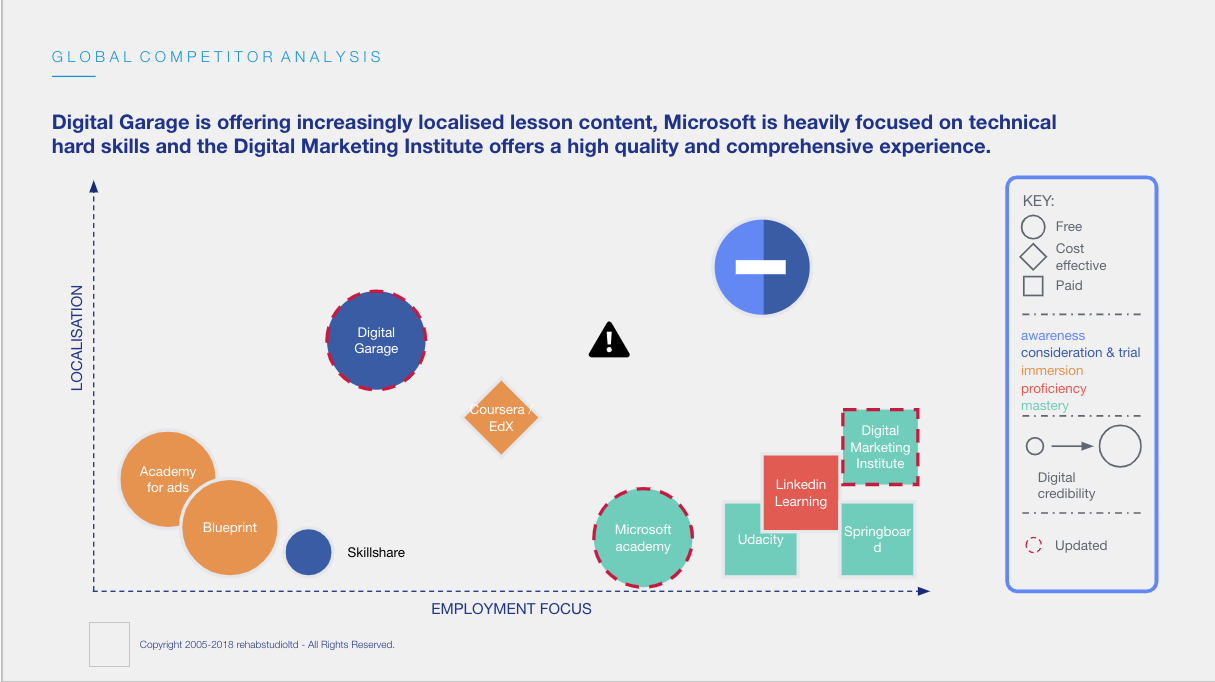
We began by conducting an in-depth analysis of
existing learning platforms, focusing on their offerings, strengths, weaknesses, and market positions.
This analysis enabled us to identify market gaps and areas ripe for innovation to better serve our target learners.
Based on this competitor analysis, we defined our
unique value propositions, emphasizing features or content areas where we could lead. This included specialized courses for digital skill seekers and locally relevant case studies or resources for aspirational entrepreneurs.
User Research: Tailoring Content to Market Needs
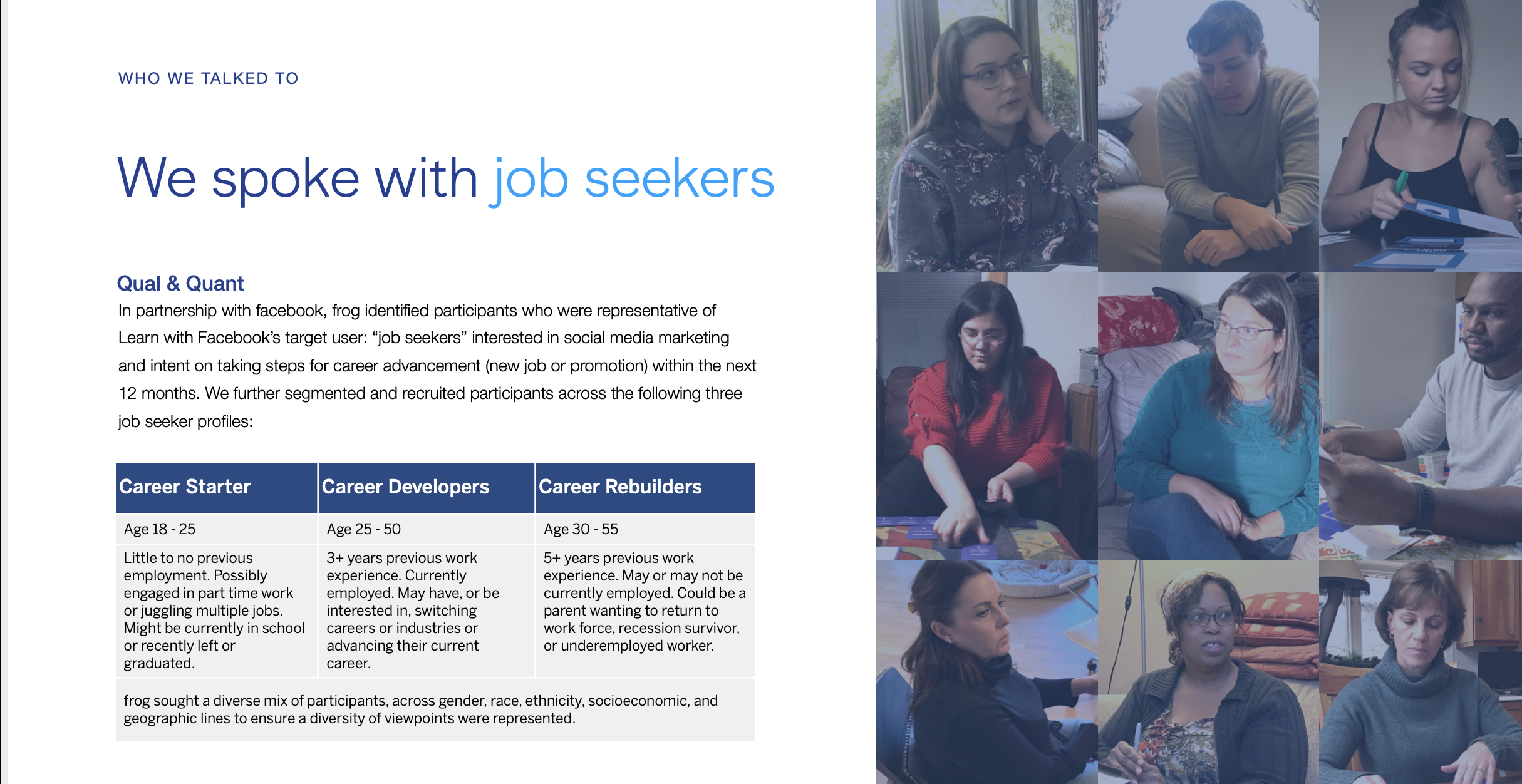
We conducted extensive user research across our identified target markets to gather insights into the specific needs, learning behaviors, content preferences, and challenges faced by learners in different regions. We employed both quantitative and qualitative methods to ensure a comprehensive understanding of local and global demands.
Our team then used these insights to design the platform's curriculum, ensuring a balance between offering a broad range of skills relevant to users across regions and incorporating local depth for specific markets. This involved localizing course materials, offering courses in local languages, or highlighting courses particularly in demand in certain areas.

Prototyping and Iteration: Refining the Learning Experience
In parallel with developing expert-led educational content through third-party collaborations, our team leveraged a prototype that included core features and a selection of courses. This allowed us to run iterative user testing to validate target users' learning behaviors and gather user feedback.
We also utilized data analytics to further refine the platform experience and learner interactions. With 13 iterations over 18 months, each iteration was guided by user feedback and analytics. Our focus was on improving user engagement, retention, and learning outcomes, ensuring the platform evolved in alignment with user needs and preferences.
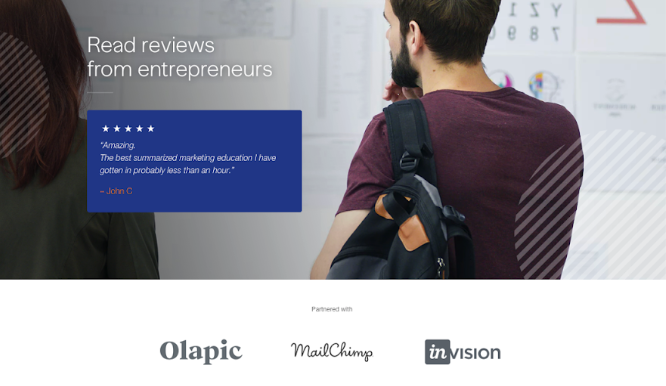
Startup Training Hub
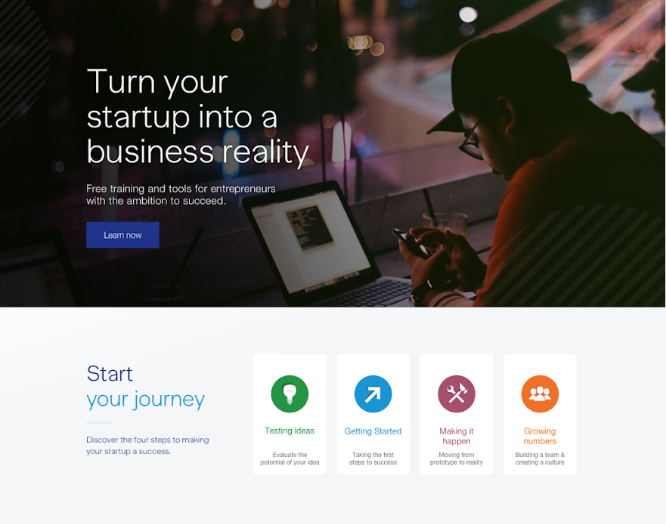
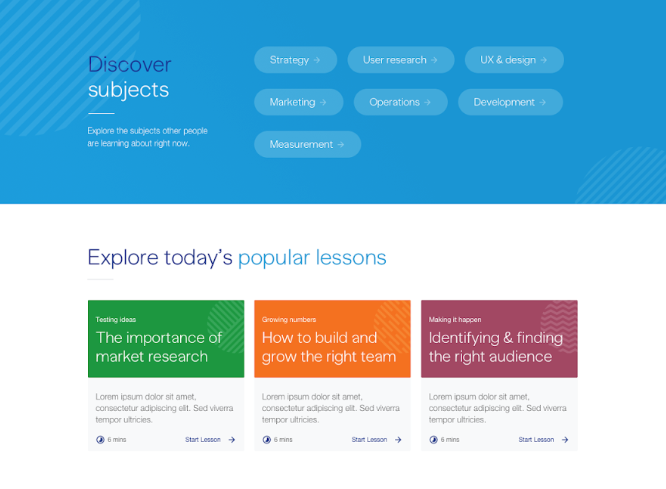
The first platform we introduced is Startup Training Hub, tailored specifically for Aspirational Entrepreneurs aiming to launch and expand their businesses in the digital economy. The platform provides expert-led training, essential tools, and a supportive community, empowering individuals to validate, develop, and scale their business concepts, customer base, and operations.
Through curated locally relevant and globally minded content and resources, we equip entrepreneurs with the necessary knowledge and networks to thrive in the digital landscape, fostering growth and success.
Digital Training Hub
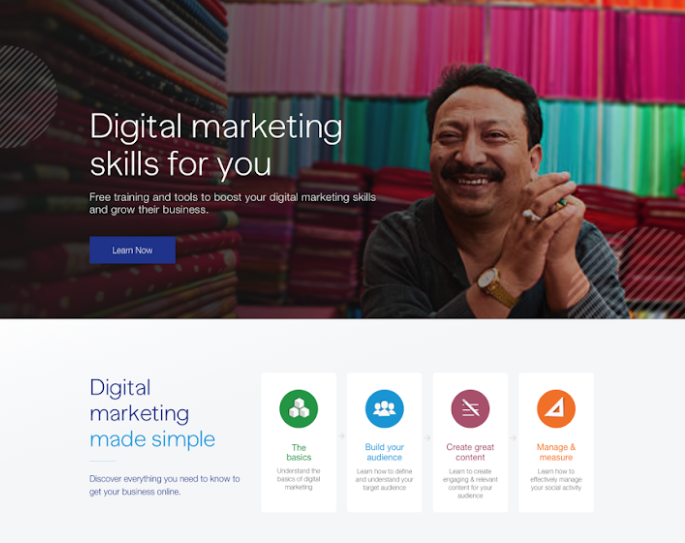
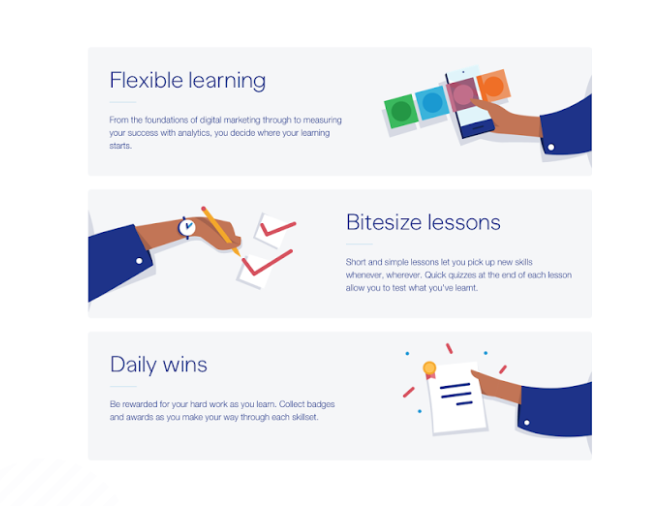
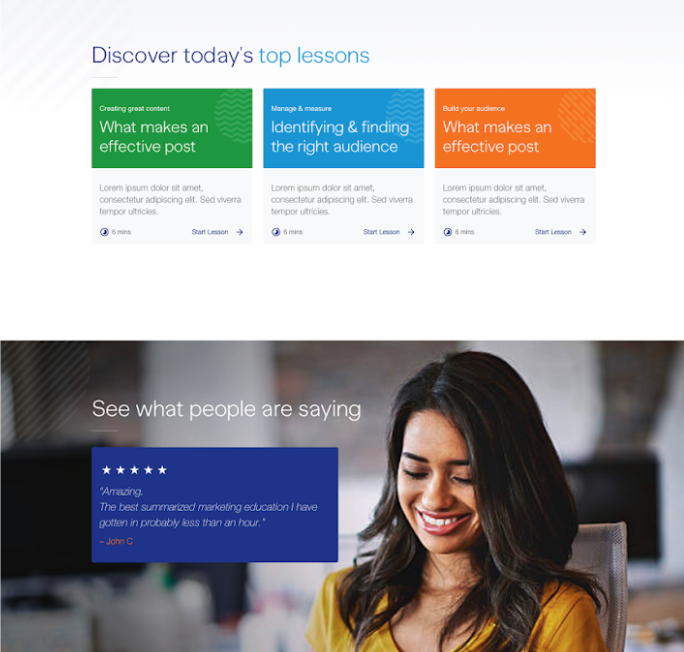
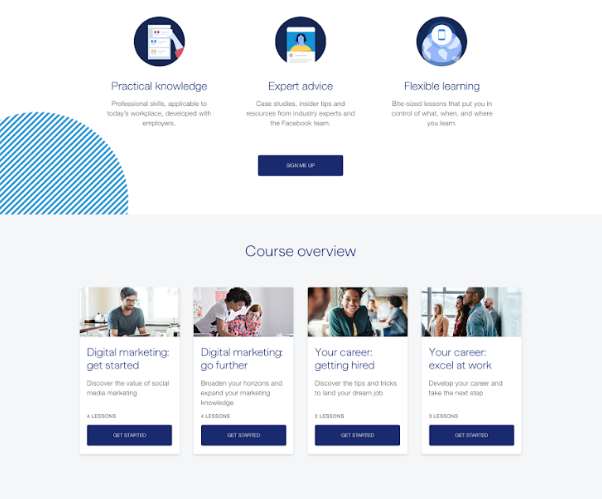
The second platform we launched is an inclusive online educational platform designed specifically for Digital Skill Seekers seeking to boost their proficiency in digital marketing. Our platform caters to individuals who are interested in developing new digital skills, including underemployed or unemployed people, students and non tech savvy SMBs and non-profits , offering accessible resources to develop skills or elevate online presence.
Through curated locally relevant and globally inspired content, we empower users with easily comprehensible materials and tools essential for personal growth or business advancement in today’s digital economy.
Stay true to the global platform vision but making learning locally relevant
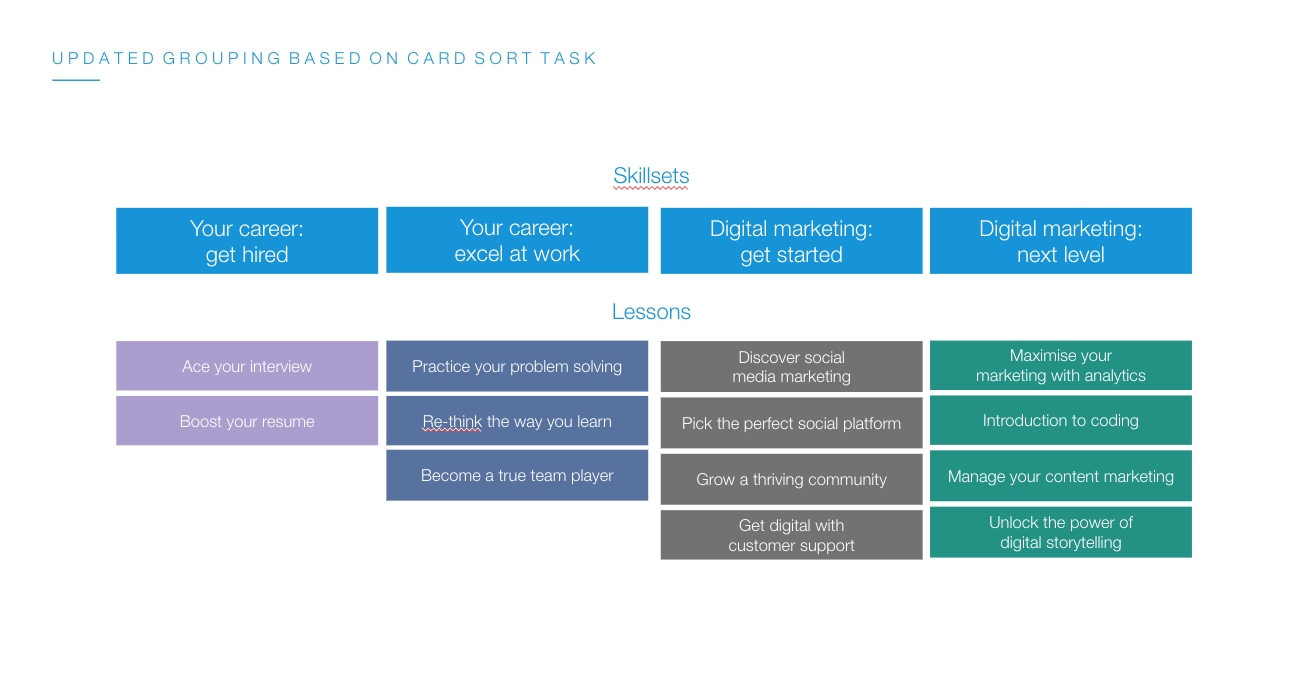
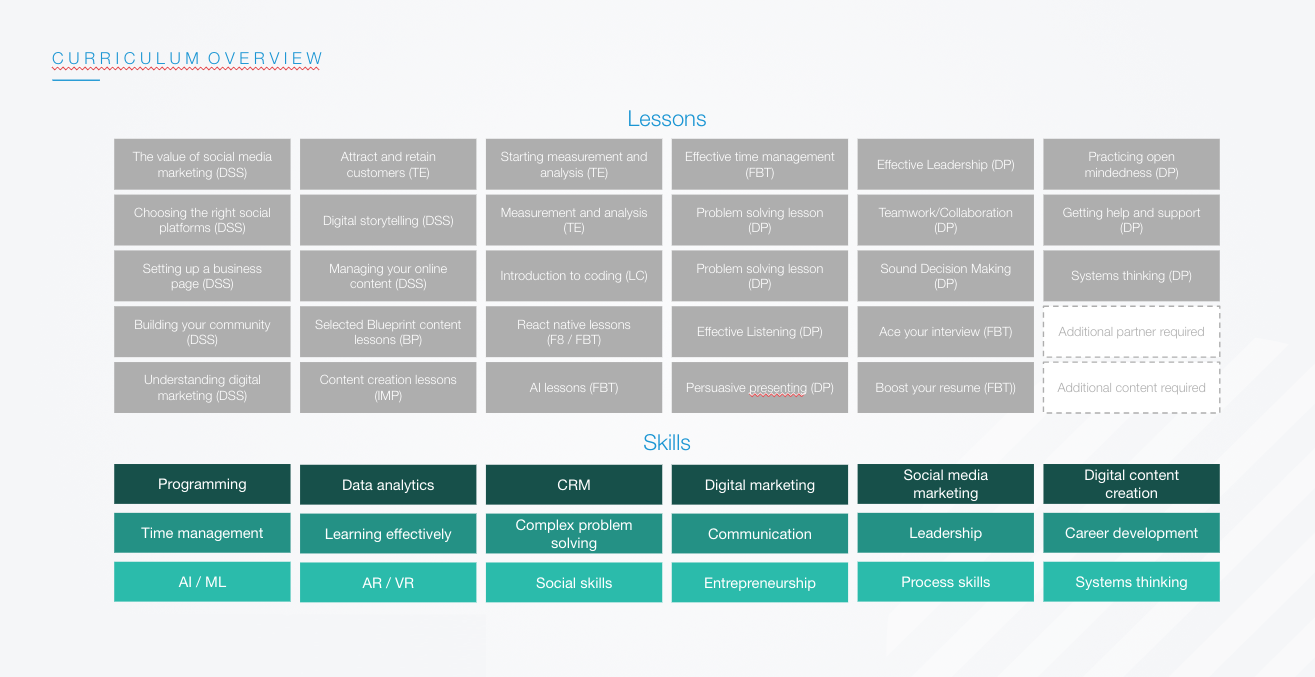
Throughout curriculum design and platform development, we prioritize user research and user testing to craft and validate our curriculum design, ensuring a harmonious blend of broad skill offerings and localized depth tailored to specific markets.
Balancing Broad Skill Offerings and Local Depth:
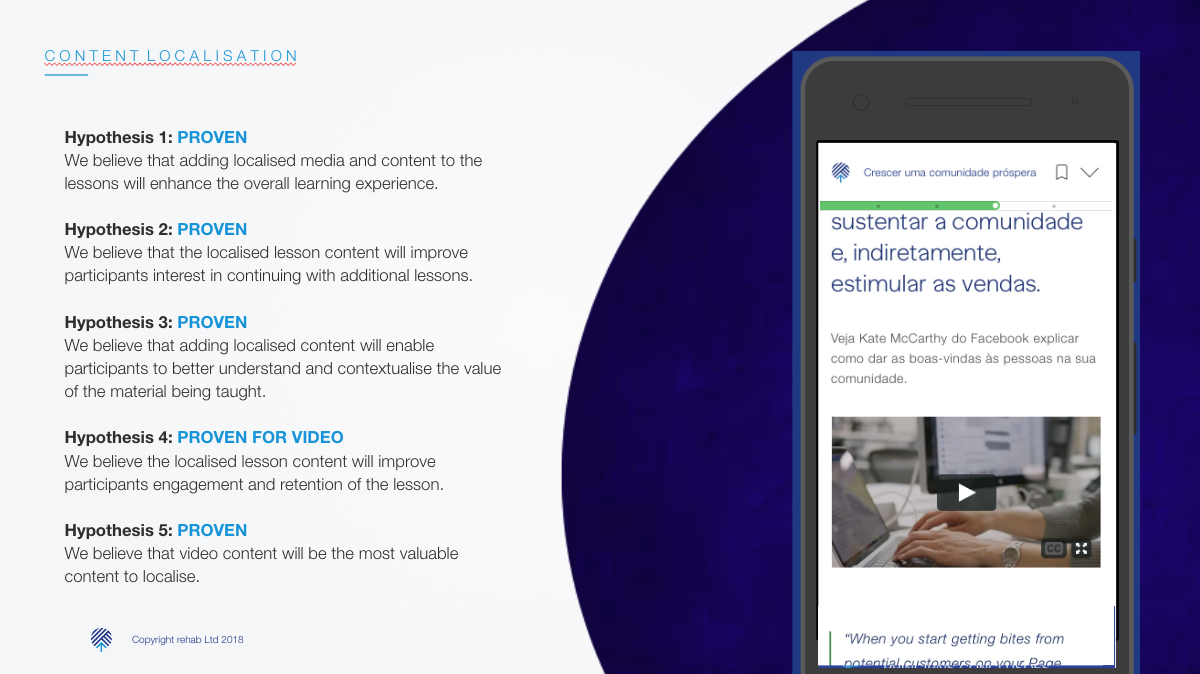
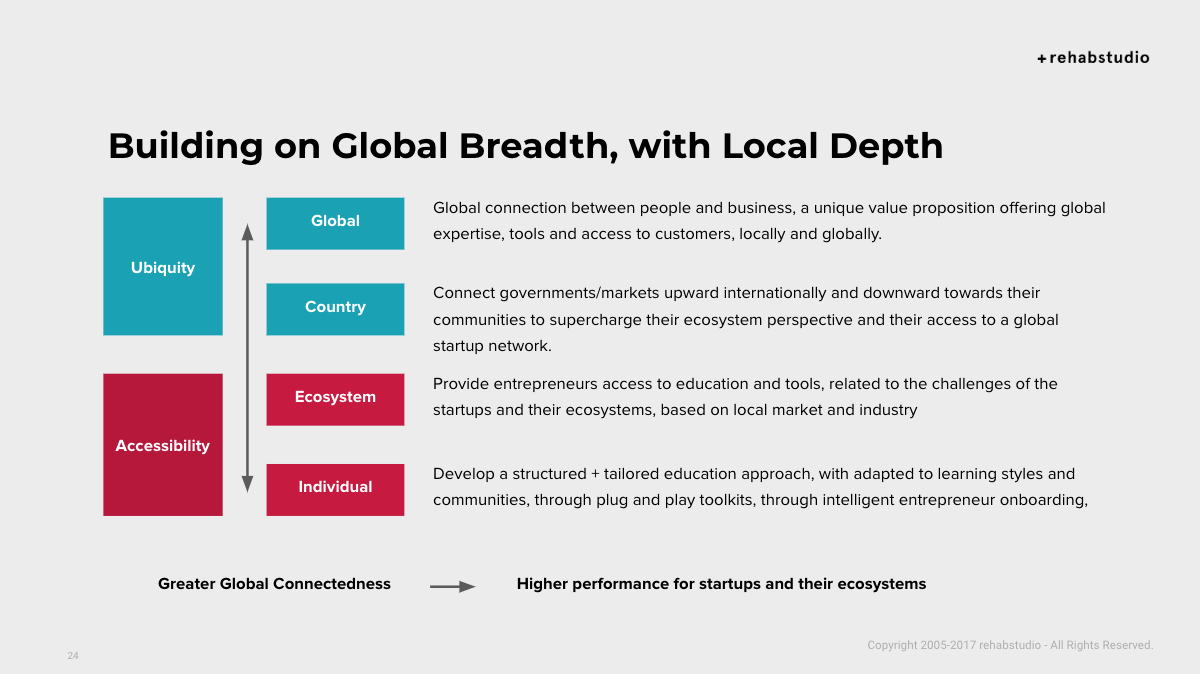
Our curriculum design strikes a delicate balance between offering a broad range of skills relevant to users globally and incorporating local depth for specific markets. We achieve this balance by conducting thorough market research and collaborating with local experts to identify region-specific needs and trends. By integrating localized case studies, examples, and industry insights, we enrich our curriculum with relevant context and depth, enhancing its resonance with users in different regions.
Testing Different Content Types:
We recognize that users have varying preferences for consuming content, ranging from text-based materials to interactive quizzes and videos. To cater to diverse learning styles and preferences, we conduct experiments with different content types, including text, interactive quizzes, videos, and more. Through A/B testing and user feedback analysis, we assess the effectiveness and engagement levels of each content type in different markets. This iterative approach allows us to identify the preferred content types for each market segment, ensuring optimal learning experiences for our users.



Result and Impact
As the platform strategy lead, I oversaw the creation of this locally relevant and globally applicable online education platform, leading to successful launches in four markets with high user satisfaction. Despite encountering significant budget cuts halfway through the project due to unforeseen challenges from our top technology firm partner, I guided our team through the adaptation process, ensuring project continuity, resilience, and the delivery of impactful learning experiences to our intended target users – digital skills seekers and aspiring entrepreneurs worldwide.
Successful Market Launches
Both Startup Training Hub and Digital Training Hub learning platform has successful market launches in India, Germany, France, and the US in 2018. These launches collectively reached over 500,000 international audiences, demonstrating the platforms' global appeal and scalability.
Locally Relevant Curriculum
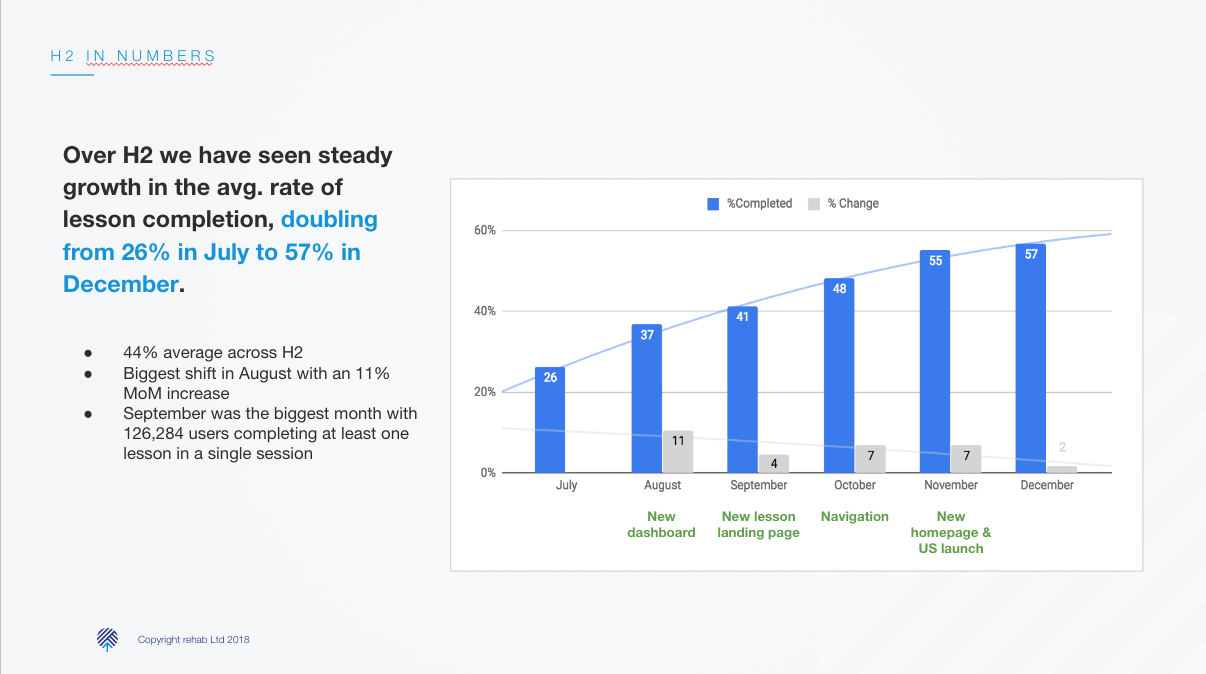
The approach we took to design locally relevant curriculum and a globally applicable platform experience for Startup Training Hub and Digital Training Hub approach resulted in an 95% Customer Satisfaction (CSAT) rate, indicating high user satisfaction with the content and learning experience.
Resilience Amid Budget Cuts
Successfully launched the platform in 4 major markets despite facing significant budget constraints due to unforeseen challenges from our partner. Managed to realign priorities, clarify trade-offs and risks with internal and external stakeholders, ensuring project continuity and success despite limited resources.